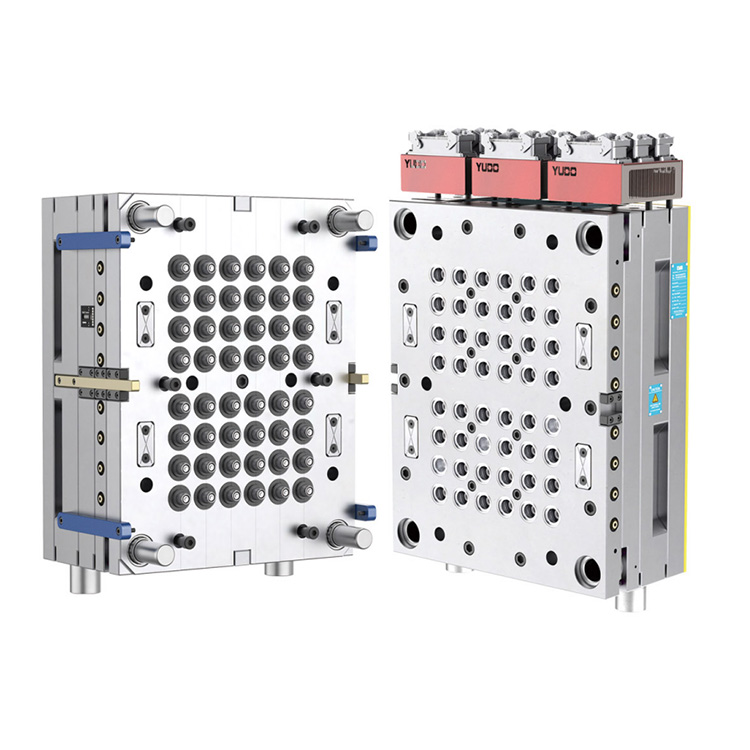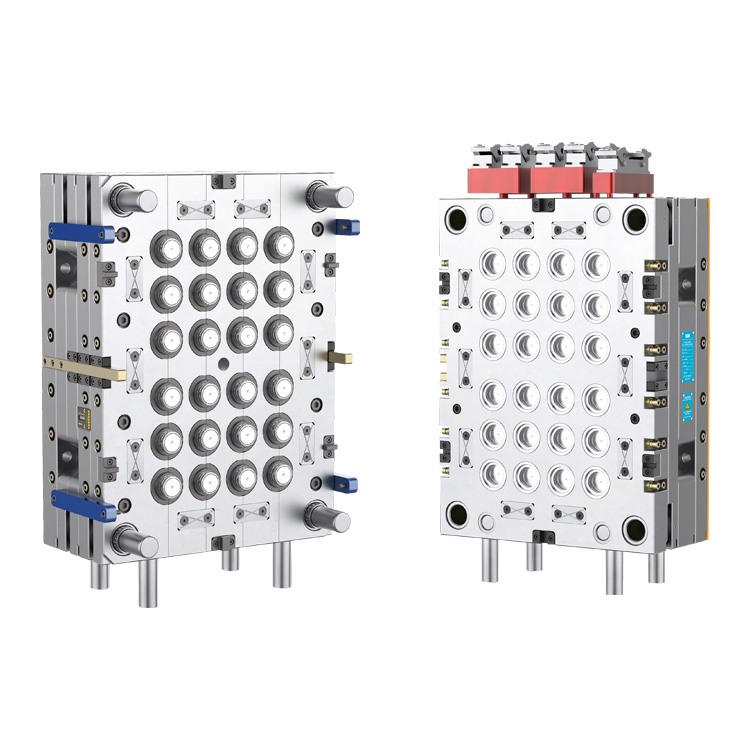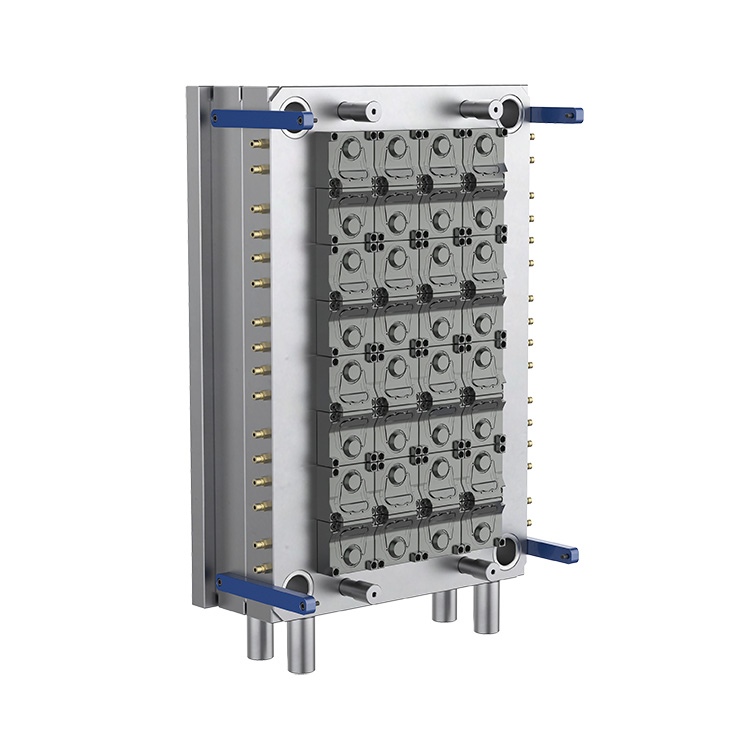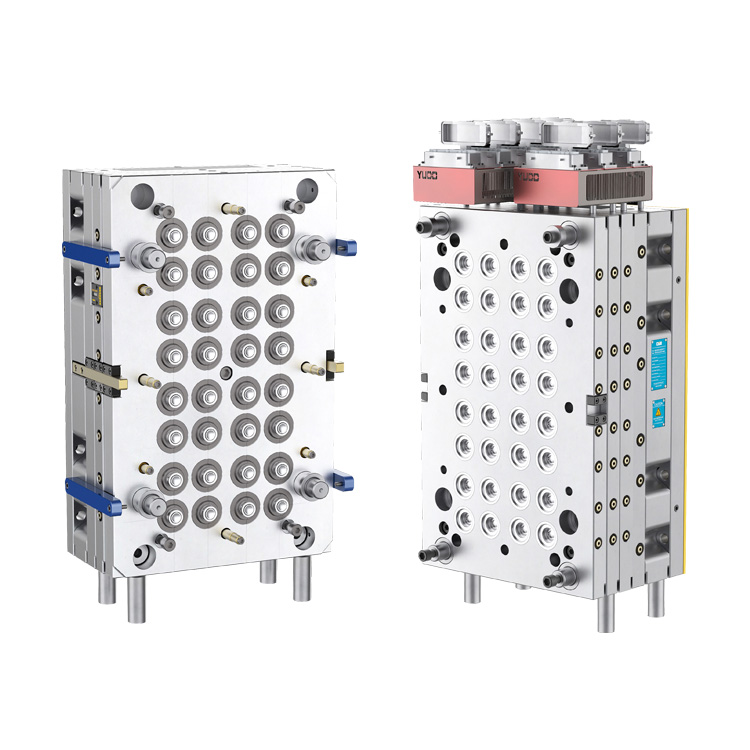
Choosing the right Preform Mold is not only about making plastic parts. It directly influences bottle consistency, weight control, cycle time, maintenance frequency, material waste, and long-term operating cost. For buyers, plant managers, and packaging brands, many production issues start much earlier than filling or blowing—they begin in the mold. This article explains what matters most when selecting a Preform Mold, what common problems signal a mismatch between mold design and production goals, and how a better mold solution can reduce risk while improving output. It also discusses cavity planning, hot runner considerations, cooling efficiency, steel selection, dimensional repeatability, and supplier support, with practical guidance for decision-makers who want dependable results rather than short-term savings.
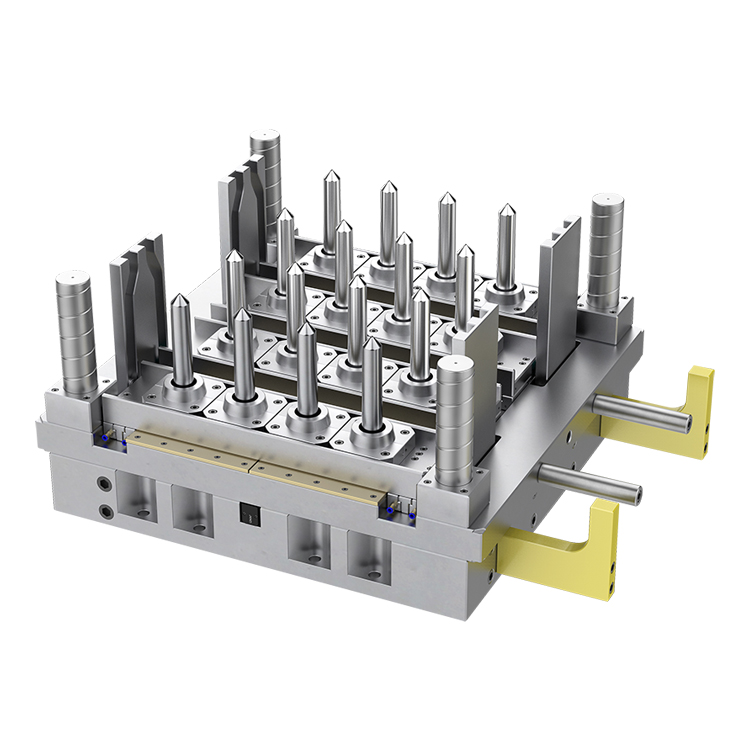
A Preform Mold creates the preform that will later be reheated and blown into a bottle or container. That sounds simple, but in practice, this stage defines many of the downstream results. The neck finish must be accurate. The wall distribution must be controlled. The gate area must be clean. Weight variation must stay within tolerance. If the preform leaves the mold with dimensional inconsistency, no amount of adjustment later in the line can fully correct it.
This is why experienced buyers no longer treat mold selection as a one-time tooling purchase. They treat it as a production decision with long-term consequences. A well-designed Preform Mold supports stable output, consistent bottle performance, and lower reject rates. A weak solution may look acceptable during quotation review, yet become expensive once it enters continuous production.
For beverage, edible oil, daily chemical, and water packaging applications, the mold affects not just appearance, but also throughput and repeatability. When the mold design matches resin behavior, machine capability, and final bottle requirements, the line runs more predictably. That is the real value buyers are looking for.
Many customers know the bottle they want, the filling capacity they need, and the output target they must reach. What they do not always have is confidence in how to evaluate one mold proposal against another. On paper, two offers may look similar. Both may mention multi-cavity production, hot runner systems, and polished components. But once the mold enters production, the differences become obvious.
The most common pain points usually include the following:
Buyers also face internal pressure. Procurement may focus on upfront price. Production teams care more about uptime. Brand owners want bottle appearance and sealing reliability. Technical teams worry about compatibility with existing injection systems. A good purchase decision needs to satisfy all of these concerns together, not one in isolation.
In real factory conditions, the cheapest mold is not always the lowest-cost choice. If it adds extra downtime, creates unstable quality, or needs frequent parts replacement, its total cost quickly rises beyond the original quotation advantage.
Buyers often ask what they should focus on first. The answer is not one single feature but a combination of design logic, machining quality, and service capability. A strong Preform Mold is the result of these elements working together.
| Factor | Why It Matters | What Buyers Should Watch |
|---|---|---|
| Cavity design | Determines repeatability, weight control, and preform uniformity | Check dimensional consistency targets and cavity balance performance |
| Hot runner system | Affects melt flow stability, gate quality, and cycle performance | Ask about flow balance, temperature control, and serviceability |
| Cooling layout | Directly impacts cycle time and thermal stability | Review cooling efficiency, heat removal logic, and mold temperature control |
| Steel and component quality | Influences wear resistance and mold life | Confirm material grade, hardness treatment, and replacement convenience |
| Neck finish precision | Essential for capping performance and downstream compatibility | Request tolerance information and inspection standards |
| Maintenance access | Reduces downtime during cleaning, repair, and parts change | Evaluate how easily wear parts can be removed and replaced |
Cooling deserves special attention. A mold may have many cavities, but if heat is not removed efficiently, production speed suffers. Operators may try to compensate by changing process settings, yet that can create new issues such as warpage, sink variation, or dimensional drift. Good cooling is not only about speed; it is about stability over long runs.
Hot runner performance is another deciding factor. In higher-output applications, poor melt distribution can create differences among cavities. That means one part of the mold may run perfectly while another part begins generating defects. Customers then lose time adjusting the machine, inspecting samples, and isolating causes that should have been addressed in the design stage.
This is also where an experienced manufacturer can make a visible difference. A company such as Taizhou Huangyan Daelong Mold Co., Ltd, active in the Preform Mold field, is expected by buyers not only to provide tooling, but also to understand the production logic behind preform consistency, maintenance planning, and output expectations. The purchasing conversation is stronger when the supplier can discuss process reality instead of repeating generic tooling language.
Before placing an order, buyers should compare proposals in a structured way. Looking only at cavity count or total price does not provide a complete picture. A more useful approach is to ask how the mold will perform over months or years of use.
Buyers should also think beyond the mold itself. A high-cavity Preform Mold can look attractive for capacity planning, but it only makes sense if the surrounding production system can support it. Resin drying, machine stability, chiller performance, and operator skill all affect results. In other words, the best mold is not the one with the biggest numbers on paper. It is the one that fits your whole production environment.
| Buying Priority | Short-Term View | Long-Term View |
|---|---|---|
| Price | Lower quotation looks attractive | Should be weighed against maintenance, waste, and downtime |
| Speed | Fast delivery may seem urgent | Better to confirm testing quality before shipment |
| Cavity count | Higher count appears more productive | Only valuable when balance and cooling are reliable |
| Supplier communication | Easy to overlook during quoting | Crucial when process adjustments and support are needed |
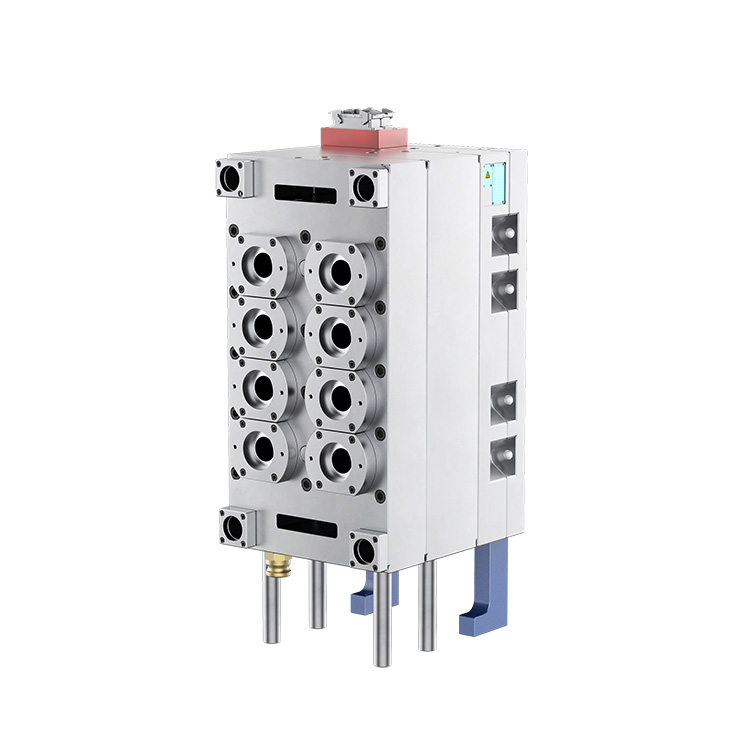
One of the biggest buyer mistakes is assuming that visible mold structure tells the whole story. Many hidden losses come from details that are not obvious in photos: cooling path design, hot runner balance, machining precision, steel treatment, or part interchangeability.
Another common mistake is underestimating maintenance planning. Every mold will eventually require service. The question is whether maintenance is predictable and efficient or disruptive and costly. A mold designed with accessible components and sensible replacement logic saves far more than it costs.
A third mistake is failing to align the mold with the final product strategy. For example, if a brand wants lightweight bottles without sacrificing top-load performance, the preform must be designed with that end goal in mind. When the mold supplier understands the intended packaging performance, the tooling discussion becomes more precise and practical.
Finally, some buyers treat the trial stage as a formality. That is risky. Mold testing should be used to verify consistency, cycle behavior, part quality, and operational smoothness. A careful trial can reveal future trouble before the mold reaches the customer’s plant, where every unresolved issue becomes more expensive.
Hidden losses often show up in places buyers did not plan for: extra resin consumption, longer operator intervention, slower cycle recovery after stoppages, and recurring quality checks caused by inconsistent preform results.
A mold project does not end when the tooling is shipped. In many cases, that is when the real partnership begins. During installation, sampling, and production ramp-up, buyers may need guidance on process matching, replacement parts, or troubleshooting patterns. A supplier that answers quickly and speaks clearly reduces stress across the whole startup phase.
This is especially important for custom projects, capacity upgrades, or applications that require reliable multi-cavity performance. Buyers want more than a factory that can machine steel. They want a partner who understands how preform quality influences bottle success, line continuity, and market consistency.
That is why many customers look for suppliers with a clear specialization in mold manufacturing rather than a broad but shallow product mix. In the case of Taizhou Huangyan Daelong Mold Co., Ltd, whose official site presents Preform Mold as a core product category, the expectation from international buyers is not just supply capability but practical process understanding, customization support, and dependable communication throughout the project cycle. :contentReference[oaicite:1]{index=1}
When the supplier relationship is strong, the customer gains more confidence in production planning. That confidence matters. It affects budgeting, line scheduling, delivery commitments, and how safely a brand can expand into new packaging formats.
What is the most important thing to check in a Preform Mold quotation?
Do not look at price alone. Check cavity configuration, hot runner details, expected output, mold steel, cooling design, spare parts support, and trial standards. A complete quotation should help you estimate long-term operating performance, not only initial purchase cost.
Which production problem usually points to mold-related issues?
Repeated preform weight variation, unstable neck finish dimensions, gate defects, and cavity-to-cavity inconsistency often suggest that the mold design or execution needs closer review.
Is a higher-cavity Preform Mold always better?
Not necessarily. Higher cavity counts can improve capacity, but only if flow balance, cooling, machine capability, and maintenance planning are all properly matched. Otherwise, the extra complexity may create more instability than value.
How can buyers reduce risk before placing an order?
Ask detailed technical questions, request realistic trial information, confirm after-sales support, and make sure the supplier understands your final bottle requirements rather than only the drawing.
Why does supplier communication matter so much after shipment?
Because production conditions vary. Even a well-built mold may need coordinated setup support, parameter suggestions, or replacement part guidance. Fast, knowledgeable communication protects your startup schedule.
A Preform Mold is not just a tooling item on a procurement list. It is one of the key foundations of bottle quality, production efficiency, and cost control. When buyers evaluate molds with a wider operational view, they make better long-term decisions. They avoid false savings, reduce avoidable downtime, and build more stable packaging performance from the start.
If your team is reviewing a new packaging project, upgrading capacity, or struggling with inconsistent preform output, it makes sense to discuss the application in detail before committing to a tooling decision. A more thoughtful mold strategy can save considerable time and expense later.
If you are looking for a more dependable Preform Mold solution for your production line, now is the right time to review your requirements with an experienced manufacturer. Talk with Taizhou Huangyan Daelong Mold Co., Ltd about your cavity needs, bottle application, output goals, and customization expectations, and contact us to explore a mold solution built for stable performance and long-term value.